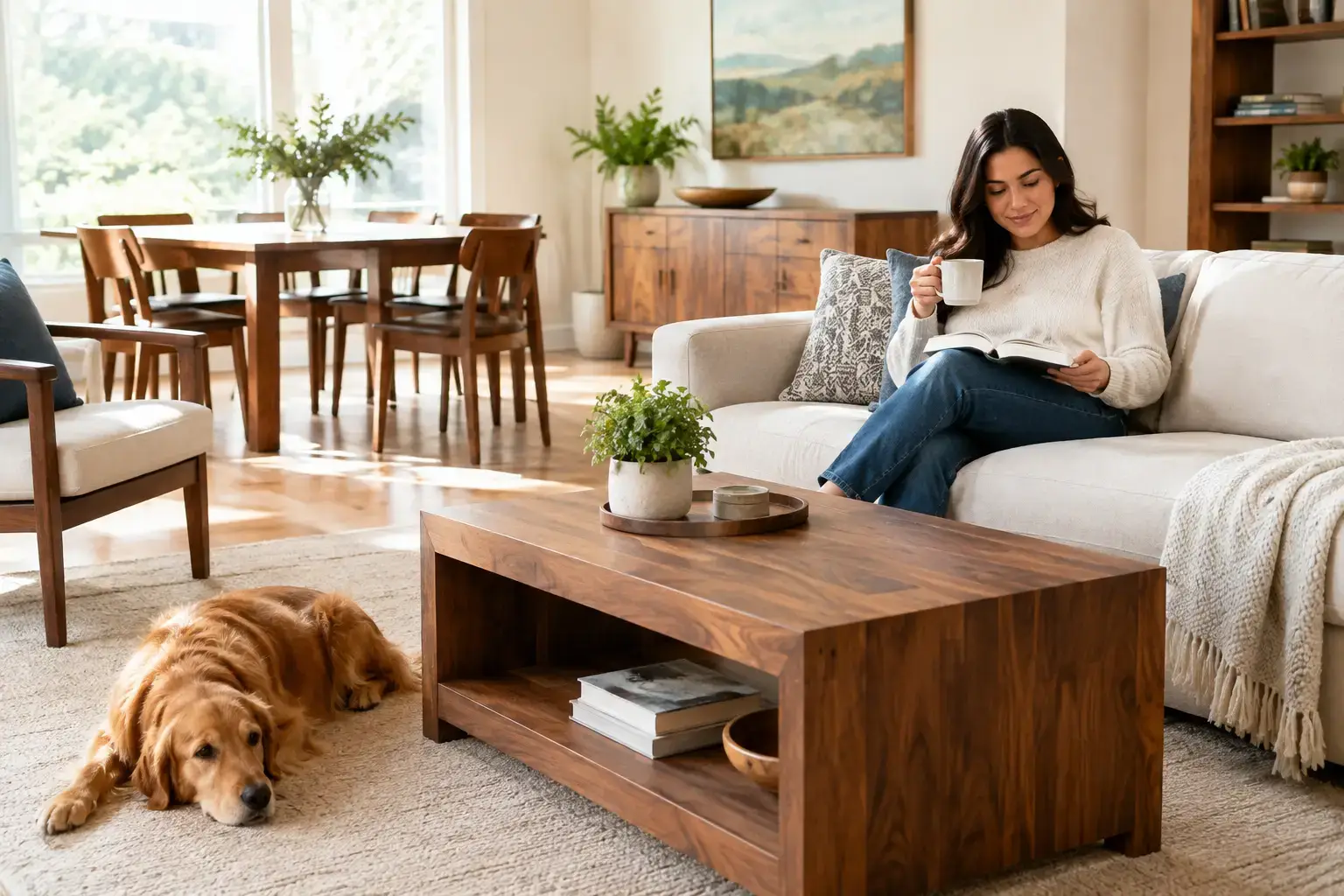
A dining table sees more than meals. It becomes the place where school papers get spread out, friends stay past dessert, and family stories get told again. Good wood furniture is made for those ordinary, well-used moments. It should fit the room, handle daily life, and still look right years from now.
For homeowners in Notasulga, Auburn, Opelika, and around Lake Martin, choosing furniture is often about more than filling an empty spot. A store-bought piece may be quick, but it may not fit the wall, hold what you need, or stand up to the way your household actually lives. Custom work gives you another option: furniture planned around your home instead of a showroom floor.
What Makes Wood Furniture Worth Keeping
The best furniture earns its place over time. It does not need to be overly fancy or precious. It needs to be well designed, built from sound material, and made with enough care that normal use does not turn into a repair list.
Solid wood has a character that manufactured materials cannot fully copy. Grain patterns vary from board to board. Knots, mineral streaks, and color changes give a piece a natural look that becomes part of the home. Wood also has the advantage of being repairable. A surface can often be cleaned, refinished, or touched up after years of use rather than replaced altogether.
That does not mean every project needs the same species or finish. A young family may need a forgiving table finish that handles spills and busy weeknights. A lake house may call for durable storage that keeps gear organized without looking out of place beside warm wood walls and open living areas. A formal entryway may need a narrow console that adds function without taking up the walkway. The right answer depends on the room and the people using it.
Start With How the Piece Will Be Used
Before choosing a style, consider the job the furniture needs to do. This is where custom work has a real advantage. A piece built for a specific purpose avoids the common problems of furniture that is too shallow, too tall, too weak, or simply in the way.
A dining table should allow enough room for chairs to pull out comfortably. A media cabinet should account for the equipment inside it, including airflow and cord access. A mudroom bench needs storage sized for the shoes, bags, and jackets that tend to collect at the door. Built-in shelving should hold the weight of books, baskets, or display items without sagging over time.
Measurements matter, but so does movement through the room. Homeowners sometimes focus on whether a piece fits against a wall and overlook the space needed to open drawers, pass behind chairs, or carry laundry around a corner. Taking time to think through those everyday patterns leads to furniture that feels like it belongs.
Ask the Practical Questions First
A good furniture plan starts with straightforward questions. Who will use it most? What needs to be stored, displayed, or supported? Will children, pets, guests, or renters put it through heavy use? Does it need to work around an existing feature such as a fireplace, window, stairway, or uneven wall?
These details are not small. They shape the final design. A deep drawer may be better than several shallow ones for bulky serving dishes. Adjustable shelves may make more sense than fixed shelves if a family’s needs will change. A bench with a lower shelf may suit lake towels and shoes, while closed storage may be better for an entry that needs to look tidy at the end of the day.
Choose Materials for the Long Haul
Wood selection affects appearance, strength, maintenance, and cost. There is no single best choice for every project, but there are sensible choices for different uses.
Hardwoods such as oak, maple, cherry, and walnut are often selected for furniture that will see frequent use. Oak has a familiar grain and a sturdy feel that works well in traditional, farmhouse, and clean-lined homes alike. Maple has a smoother, more even appearance and is known for its hardness. Walnut brings deeper color and a rich look that can make a desk, table, or accent piece feel especially distinctive.
Pine and other softwoods can also be a good fit, particularly for painted furniture, shelving, or pieces where a more relaxed, rustic appearance is welcome. They tend to show dents and marks more easily, which can be a drawback in a hard-working kitchen but part of the appeal in the right setting.
The finish matters just as much as the wood. A clear finish lets natural grain take center stage. Stain can shift the color while keeping the grain visible. Paint offers greater color flexibility and can tie a built-in or cabinet into the rest of the home. For frequently used surfaces, the goal is not just a good-looking finish on day one. It is a finish that can hold up to daily cleaning, moisture, and normal wear.
Construction Is Where the Difference Shows
Furniture can look solid from across a room and still be built with shortcuts that show up later. Loose chairs, sagging shelves, sticking drawers, and wobbly tables are usually not style problems. They are construction problems.
Quality wood furniture relies on thoughtful joinery, properly sized parts, and solid support where weight and movement occur. Table bases need to be stable. Shelves need enough thickness and support for their span. Drawers need to open smoothly and stay square. Doors need to align properly and continue to operate well as seasons change.
In Alabama, wood movement is also worth considering. Humidity changes throughout the year, and wood naturally expands and contracts with those changes. A well-built piece accounts for this movement instead of fighting it. That is one reason craftsmanship matters beyond appearance. The details behind the face frame, tabletop, drawer, or shelf are what help a piece stay dependable.
Custom Work Solves the Awkward Spaces
Every home has at least one area that seems to waste potential: the blank wall under the stairs, the narrow space beside a fireplace, the corner that collects clutter, or the lake-house hallway with nowhere to set bags and keys.
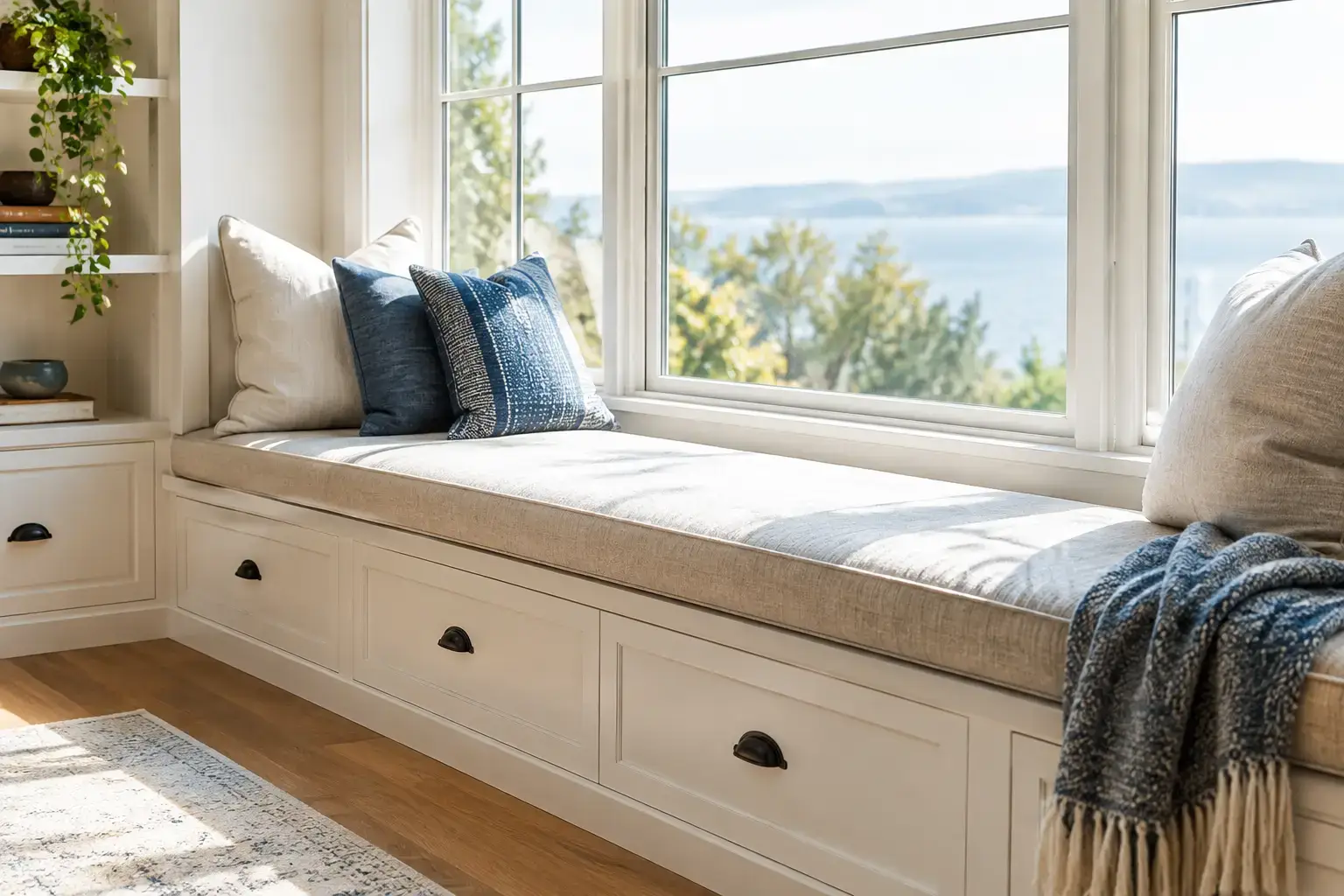
Custom furniture can turn those areas into useful parts of the home. Built-ins can create storage without the gaps and filler strips common with freestanding units. A window seat can provide seating and hidden storage. A fitted bookcase can make a home office more useful. A laundry room cabinet can turn a crowded utility space into a place where supplies are easy to reach.
The benefit is not simply that the piece looks custom. It is that it works with the architecture already there. Trim, wall color, room proportions, and nearby furnishings can all be considered so the finished work feels settled rather than added on at the last minute.
Plan for a Style That Will Still Feel Right
Trends can be useful for inspiration, but furniture is not something most homeowners want to replace every few years. A better approach is to choose a shape, wood tone, and finish that fit your home and your own taste first.
Simple lines tend to age well. So do practical details: a table with room for another chair, a cabinet with adjustable storage, or a bench built at a comfortable height. Character can come through the wood itself, the hardware, the finish, or one distinctive feature without making the whole piece feel tied to a passing look.
For homes around Auburn and Opelika, that might mean a clean oak built-in that works with both older trim and newer finishes. At Lake Martin, it could mean a sturdy console or dining table that feels relaxed enough for weekends but substantial enough for holidays. The goal is not to chase a label. It is to build something that belongs in the house.
Care Is Simple When the Piece Is Built Well
Most wood furniture does not need complicated care. Wipe up spills promptly, use coasters under wet glasses, and avoid harsh cleaners that can dull or damage a finish. A soft cloth is usually enough for regular dusting and cleaning.
Sunlight deserves attention, especially near large windows. Over time, direct light can change the color of wood and finishes. Rotating accessories or using window coverings during the strongest parts of the day can help keep exposure more even.
Small marks are part of a well-used home. Some can be touched up, while others become part of the story of the piece. The advantage of well-made furniture is that it can often be maintained and renewed instead of discarded.
Saugahatchee Woodworks approaches each project with that long view in mind: build for the space, build for the use, and build it to last. When a piece is planned around your daily life, it does more than occupy a room. It makes the room work harder for the people who call it home.
If you are considering a new table, built-in, storage piece, or custom feature, begin by noticing the friction in your home. The crowded corner, the missing storage, and the room that almost works are often the best places to start.
Leave a Reply